


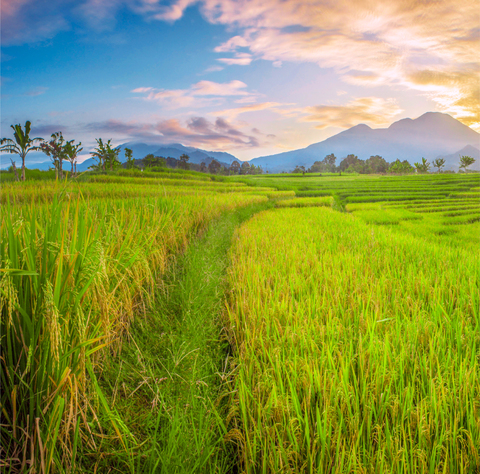
Climate change has posed significant challenges to Vietnam’s rice sector, particularly in the Mekong Delta, which accounts for over 50% of the country’s rice production. In recent years, increasing saltwater intrusion, droughts, irregular flooding, and extreme weather events have severely affected rice yields and quality, directly impacting export volumes and revenues.
In response, farmers and exporters have been forced to restructure production practices to adapt more flexibly. New rice varieties such as ST25 and Japonica are being researched and trialed in saline-affected areas to safeguard productivity. At the same time, the “rice-shrimp” rotational farming model has been widely adopted, which leverages brackish water and reduces the use of chemical pesticides and fertilizers, thus protecting both soil and water environments. Sustainable farming technologies, including water-saving irrigation and the use of bio-fertilizers, are increasingly embraced to enhance environmental resilience.

A particularly effective initiative is the Ministry of Agriculture and Rural Development’s program to cultivate one million hectares of high-quality, low-emission rice fields. This project has helped farmers double their incomes compared to traditional methods while significantly reducing greenhouse gas emissions. Furthermore, it creates “carbon credits,” opening new economic opportunities for Vietnam’s agricultural sector. Many enterprises have also embraced digital transformation, offering farmers technology to monitor crop progress, pest outbreaks, and weather forecasts, helping them respond promptly and manage risks.
These proactive steps not only help Vietnamese rice farming protect the environment and adapt sustainably to climate change but also enhance access to environmentally conscious export markets such as Europe and Japan, supporting long-term growth and competitiveness.
